
Body for Life Program PDF: A Comprehensive Guide (Updated 04/21/2026)
Body for Life, nearly two decades old, remains a top fitness resource. Many find success with consistent effort, achieving noticeable results within the 12-week program, and beyond.
The program’s enduring popularity, evidenced by over 750 reviews and a 4-star rating, suggests its effectiveness for those committed to its principles.
Body for Life, authored by Chad Waterbury and Bill Phillips, emerged nearly 20 years ago and quickly became a cornerstone of fitness literature. This program isn’t merely a workout plan; it’s a comprehensive lifestyle overhaul designed for lasting transformation. The core philosophy centers around achieving optimal physical condition through a synergistic blend of nutrition and exercise, tailored to individual fitness levels.
Many initially approach Body for Life with skepticism, questioning whether a relatively short 20-45 minute gym routine six days a week can truly deliver significant results. However, testimonials consistently demonstrate its efficacy for those who fully commit. The program’s adaptability is key – what constitutes a “level 10 effort” varies drastically between an unfit beginner and a seasoned athlete, ensuring accessibility for all.
The enduring appeal, highlighted by positive reviews, underscores that success hinges on consistent application and a willingness to embrace the program’s principles. It’s a system built on realistic expectations and sustained effort, promising not just a temporary fix, but a long-term lifestyle change.
What is the Body for Life Program?
Body for Life is a 12-week, results-driven program focused on transforming both your physique and overall well-being. It’s structured around a simple, yet powerful, premise: consistent effort in both nutrition and exercise yields substantial improvements. The program emphasizes a high-repetition training methodology, pushing individuals to their perceived exertion limits during workouts.
Central to Body for Life is the concept of eating six smaller meals throughout the day, a strategy designed to maintain consistent energy levels and optimize metabolic function. While the program provides guidelines, it’s adaptable to individual dietary preferences and needs. Supplementation, particularly protein, is recommended to support muscle recovery and growth.
Beyond the physical aspects, Body for Life encourages a mindset shift, promoting discipline and self-accountability. It’s not a quick fix, but a structured approach to building sustainable healthy habits. The program’s longevity, with individuals maintaining the lifestyle for over a decade, speaks to its effectiveness.
The Core Principles of Body for Life
Body for Life rests on several foundational principles. Consistency is paramount; the program demands six days a week of exercise and adherence to the nutritional plan. Intensity, measured by the Rate of Perceived Exertion (RPE) scale, is crucial – pushing yourself to a challenging level is key, though this level will vary based on individual fitness.
The program champions high-repetition training with minimal rest, creating a metabolic demand that promotes fat loss and muscle definition. Nutritional timing, through six small meals, stabilizes blood sugar and supports consistent energy.
Importantly, Body for Life acknowledges individual differences. What feels like a moderate effort for an athlete might be highly challenging for someone new to fitness. The program emphasizes adaptation; intensity must be adjusted as fitness improves. Finally, it promotes a long-term lifestyle change, not just a temporary diet or workout routine.

The 12-Week Body for Life Challenge
Body for Life’s core is a 12-week challenge focused on transforming both body and life. It requires dedication to exercise and nutrition for optimal results.
Overview of the 12-Week Structure
The Body for Life program is meticulously structured over 12 weeks, designed for progressive adaptation and sustained results. It isn’t simply about quick fixes; it’s about building a foundation for long-term health. The program emphasizes consistency – six days a week of exercise combined with a nutritional plan centered around six smaller meals daily.
Each week builds upon the last, gradually increasing intensity and challenging the body. Individuals, regardless of their current fitness level, are encouraged to push themselves using the Rate of Perceived Exertion (RPE) scale, ensuring workouts are appropriately challenging. What might be a level 10 effort for an unfit person could be a level 3 for an athlete, highlighting the program’s adaptability.
The structure isn’t rigid; adjustments are expected as fitness improves. The key is to continually challenge oneself and avoid plateaus through workout variation. This 12-week framework provides a roadmap, but personalizing the journey is crucial for lasting success.
Phase 1: The Initial Transformation (Weeks 1-4)
Phase 1 of the Body for Life program, spanning weeks 1-4, focuses on establishing foundational habits and jumpstarting the transformation process. This initial phase is about building momentum and experiencing early wins. Expect a significant learning curve as you adapt to the six-meal-a-day nutrition plan and the high-repetition training style.
Intensity is key, even if it feels challenging. Utilizing the RPE scale, aim for a level of exertion that pushes you, but allows you to maintain proper form. For those less fit, even brisk walking uphill can represent a substantial effort. This phase isn’t about maximal weight; it’s about mastering technique and building endurance.
Be prepared to feel sore, but embrace it as a sign of progress. Consistency is paramount during these first four weeks. Laying a solid foundation now will make subsequent phases more manageable and effective.
Phase 2: Building Momentum (Weeks 5-8)
Phase 2, weeks 5-8 of Body for Life, centers on capitalizing on the initial gains and solidifying positive habits. By now, the six-meal structure should feel more natural, and you’ll likely notice improvements in energy levels and body composition. This is where consistency truly pays off.
Crucially, it’s time to reassess your Rate of Perceived Exertion (RPE). As your fitness improves, what once felt like a ‘10’ will now feel easier. Adjust the intensity – increase weight, reps, or sets – to continue challenging your muscles. Avoiding plateaus requires constant adaptation.
Don’t be afraid to introduce slight variations to your workouts to prevent boredom, as suggested by long-term program adherents. Remember, the program’s longevity relies on finding sustainable strategies. Continue prioritizing effort and adherence to the nutritional guidelines.
Phase 3: Solidifying Results (Weeks 9-12)
Phase 3 (Weeks 9-12) of Body for Life focuses on cementing the progress made and preparing for long-term maintenance. By this stage, significant physical and mental transformation should be evident. However, complacency is the enemy. Continue diligently with the six-meal plan and high-repetition training.
A key aspect of this phase is recognizing the need for ongoing workout variation. As one user noted, preventing boredom is crucial for sustainability. Introduce new exercises, adjust rep ranges, or experiment with different training techniques to keep your body challenged.
Regularly reassess your RPE and push yourself appropriately. Remember, the program’s success hinges on consistent effort. This final phase isn’t about radical changes, but about reinforcing the habits that will sustain your results far beyond the 12 weeks.
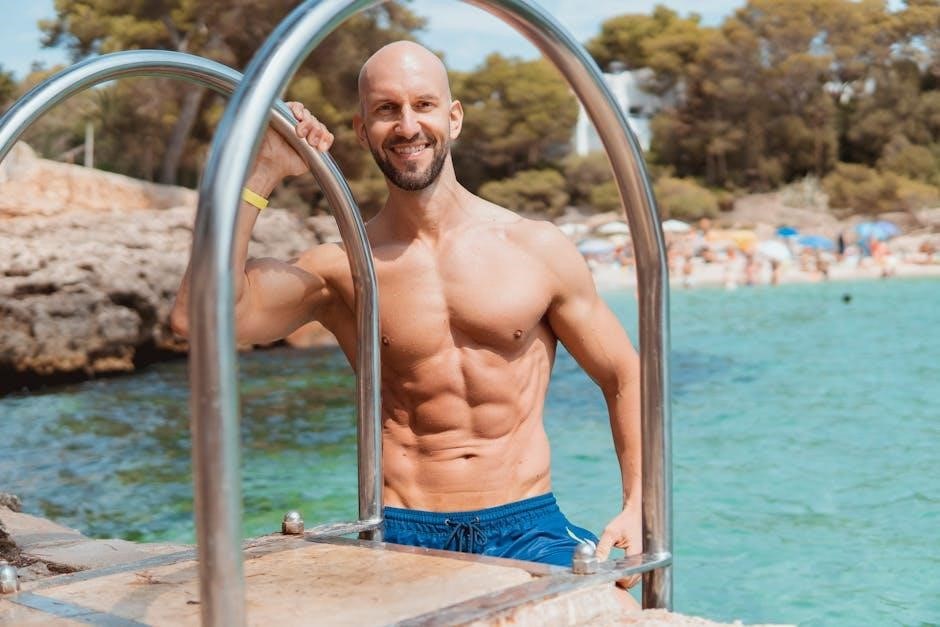
Nutrition Component of Body for Life
Body for Life emphasizes six smaller meals daily, supporting consistent energy and metabolic function. This approach, combined with mindful food choices, is central to success.
The Importance of Six Small Meals
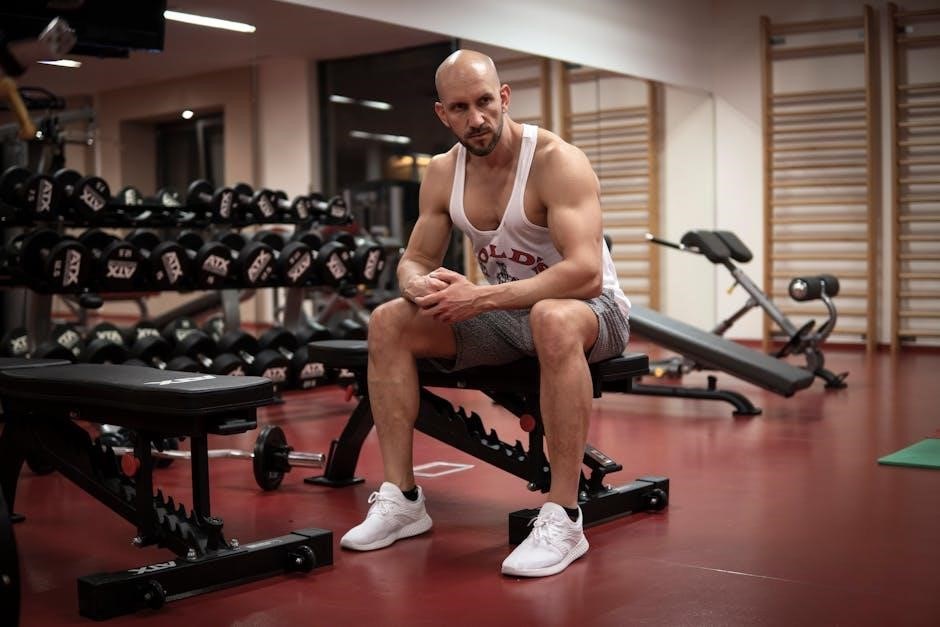
Body for Life champions the strategy of consuming six smaller meals throughout the day, a cornerstone of its nutritional philosophy. This isn’t simply about frequency; it’s about maintaining consistent energy levels and optimizing metabolic function.
Unlike traditional three larger meals, frequent, smaller feedings help stabilize blood sugar, reducing cravings and preventing overeating. This approach supports fat loss and muscle preservation. The program suggests this method is beneficial for anyone, regardless of current fitness level – an unfit individual’s “small meal” might differ in intensity from an athlete’s.
Phillips advocates for this structure, believing it provides a steady stream of nutrients, fueling workouts and recovery. It’s a practical way to manage hunger and ensure the body consistently receives the building blocks it needs. While some may question the necessity, proponents highlight its role in sustained energy and adherence to the program.
Macronutrient Breakdown & Guidelines
Body for Life doesn’t prescribe rigid macronutrient ratios, but emphasizes a balanced intake tailored to individual needs and activity levels. The program’s success hinges on prioritizing protein to support muscle recovery and growth, a crucial element for boosting metabolism.
While specific percentages aren’t mandated, the focus is on consuming adequate protein with each of the six daily meals. Carbohydrates should be strategically timed around workouts to fuel performance and replenish glycogen stores. Healthy fats are also essential, contributing to hormone production and overall health.
The program encourages individuals to adjust their macronutrient intake based on their response and goals. It’s a flexible framework, acknowledging that a “one-size-fits-all” approach isn’t effective. Consistent monitoring and adjustments are key to optimizing results.
Body for Life Approved Food Choices
Body for Life champions a whole-foods approach, prioritizing nutrient-dense options over processed foods. Protein sources should be lean – think chicken breast, fish, turkey, and lean beef. Complex carbohydrates like brown rice, sweet potatoes, and oatmeal are favored for sustained energy.
Healthy fats are encouraged through sources like avocados, nuts, seeds, and olive oil. Fruits and vegetables are essential, providing vital vitamins, minerals, and fiber. The program doesn’t strictly forbid certain foods, but emphasizes moderation and mindful eating.
Supplementation, like protein shakes and bars, can be used to conveniently meet protein requirements, but shouldn’t replace whole food sources entirely. The focus remains on building a sustainable eating pattern based on real, unprocessed ingredients, supporting long-term health and fitness.
Supplementation Recommendations (Protein, etc.)
Body for Life acknowledges that meeting nutritional needs solely through food can be challenging, thus recommending strategic supplementation. Protein supplementation, via shakes or bars, is frequently utilized to ensure adequate intake, crucial for muscle repair and growth, especially with the high-repetition training.
While not mandatory, protein supplements offer convenience. The program doesn’t heavily emphasize other specific supplements, prioritizing a foundation of whole foods. However, individuals may consider a multivitamin to address potential micronutrient gaps.
It’s important to view supplements as additions to, not replacements for, a balanced diet. Quality is key; choosing reputable brands is advised. Remember, consistent adherence to the nutritional guidelines, coupled with dedicated exercise, forms the core of the program’s success.

The Exercise Component of Body for Life
Body for Life’s exercise focuses on high-repetition training, performed six days a week for 20-45 minutes. Intensity is key, gauged by the Rate of Perceived Exertion (RPE) scale.
High-Repetition Training Methodology
Body for Life champions a high-repetition training style, differing significantly from traditional bodybuilding approaches. This methodology centers around performing a higher number of repetitions – typically 12-20 – with a weight that allows maintaining good form throughout the set. The focus isn’t on lifting the heaviest possible weight, but rather on maximizing muscular endurance and metabolic stress.
Short rest periods between sets, often just 30-60 seconds, further contribute to the intensity and effectiveness of the workouts. This approach keeps the heart rate elevated, promoting fat burning and cardiovascular benefits alongside muscle development. Individuals, regardless of their current fitness level, adjust the weight to ensure they can complete the target repetition range with proper technique.
As noted by users, this method can be surprisingly demanding, leaving individuals “sucking wind” during workouts, even with seemingly moderate weights. The high rep scheme, combined with minimal rest, creates a challenging and efficient training stimulus.
Intensity Levels & The Rate of Perceived Exertion (RPE) Scale
Body for Life emphasizes personalized intensity, recognizing that a challenging workout is subjective. The program utilizes the Rate of Perceived Exertion (RPE) scale, a tool for gauging workout intensity based on how hard you feel you’re working. This scale typically ranges from 1 to 10, with 1 being minimal effort and 10 representing maximal exertion.
Crucially, the program acknowledges that the same activity can represent different RPE levels for different individuals. For example, a brisk uphill walk might be a 10 for an unfit person, but only a 3 for a competitive athlete. This individualized approach ensures everyone can work at an appropriate and effective intensity.
Furthermore, Body for Life stresses the importance of adjusting the RPE over the 12-week program. As fitness improves, the intensity needs to be increased to continue challenging the body and driving results. Consistent monitoring of perceived exertion is key to maximizing progress.
Workout Split & Exercise Selection
Body for Life advocates for a six-day-a-week workout schedule, incorporating a specific split to maximize muscle stimulation and recovery. The core structure involves alternating upper and lower body workouts, ensuring all major muscle groups are addressed frequently throughout the week.
The program champions high-repetition training, typically involving sets of 10-12 repetitions with relatively short rest periods. This methodology promotes both muscle endurance and hypertrophy. Exercise selection focuses on compound movements – exercises that work multiple muscle groups simultaneously – like squats, deadlifts, bench presses, and rows.
While the program provides a foundation, it encourages individuals to adapt exercises based on their fitness level and available equipment. However, maintaining the high-repetition, short-rest principle is crucial. To prevent boredom and plateaus, periodic workout variation is also recommended, as highlighted by long-term program adherents.
Adjusting Intensity Over Time
Body for Life emphasizes the importance of progressively increasing intensity as fitness levels improve. The program utilizes the Rate of Perceived Exertion (RPE) scale, encouraging individuals to honestly assess their effort during each set. What feels like a level 10 effort initially – perhaps a brisk walk uphill – will become easier over the 12 weeks.
Therefore, consistent re-evaluation of RPE is vital. As exercises become less challenging, individuals should increase weight, resistance, or repetitions to maintain a high level of exertion. This prevents plateaus and ensures continued progress. The high-repetition nature of the workouts already contributes to significant fatigue, but pushing intensity further is key.
Remember, a competitive athlete’s level 3 effort might be another’s level 10. The program isn’t about comparing oneself to others, but about consistently challenging your own limits and adapting the intensity accordingly throughout the duration and beyond.

Common Concerns & Addressing Criticisms
Critics often question the program’s effectiveness, but consistent effort and adherence to the principles yield results. Success depends on dedication and realistic expectations.
Those who fail may not have fully committed or sought excuses, overlooking the program’s potential for transformation.

Addressing Claims of Ineffectiveness
Many claims of ineffectiveness stem from a lack of genuine commitment or a failure to fully embrace the Body for Life methodology. Individuals often seek external obstacles to blame, rather than acknowledging personal shortcomings in consistency or effort. It’s crucial to recognize that the program isn’t a magic bullet; it demands dedication and discipline.
The program’s success is widely documented, with over 750 reviews maintaining a 4-star rating – a testament to its positive impact on those who truly engage with it. A common issue is failing to adjust the intensity scale (RPE) over the 12 weeks as fitness improves. What feels like a level 10 effort initially will naturally decrease, requiring recalibration to maintain challenge.
Furthermore, some criticize the promotional imagery, finding it potentially misleading. However, the core principles – high-repetition training, six small meals, and consistent effort – remain sound. Ultimately, the program’s effectiveness hinges on individual application and a willingness to persevere.
The Role of Consistency and Effort
Consistency is paramount to success with the Body for Life program. The framework of six gym sessions per week, coupled with a structured nutritional plan, requires unwavering dedication. Individuals who falter in either area will likely experience diminished results. Effort levels also need consideration; a brisk walk uphill represents vastly different exertion for an athlete versus someone initially unfit.
The program isn’t about ease, but about pushing personal boundaries. High repetitions and minimal rest periods are designed to challenge the body and stimulate adaptation. This demands a significant level of effort during each workout. Those who underestimate the required intensity often find themselves disappointed.
As highlighted by long-term adherents, sticking to the program is the key. Eleven years of positive experience demonstrates the lasting benefits of consistent application. While workout variation is encouraged to prevent plateaus, the foundational principles must remain intact.
Realistic Expectations & Body Image
Body for Life delivers results, but managing expectations is crucial. Some reviewers noted perceived discrepancies between the program’s promotional imagery and realistic outcomes. It’s vital to understand that individual transformations will vary based on starting point, genetics, and adherence to the plan.
Focusing solely on aesthetic changes can be detrimental. The program emphasizes a holistic lifestyle shift, encompassing fitness, nutrition, and overall well-being. A healthy body image should be cultivated alongside physical progress, recognizing that improvement is a journey, not a destination.
The intensity scale, adjusted over time as fitness improves, highlights the program’s adaptability. What feels challenging initially will evolve, requiring continued effort to maintain momentum. Celebrate non-scale victories – increased energy, improved strength – alongside physical changes.

Beyond the 12 Weeks: Maintaining Results
Long-term success with Body for Life requires adapting the program. Vary workouts regularly to prevent plateaus and maintain engagement, continuing a focused nutritional approach.
Eleven years of living the lifestyle proves consistency is key, with ongoing adjustments for continued health and vitality.
Transitioning to a Long-Term Lifestyle
Successfully completing the 12-week Body for Life challenge isn’t the finish line, but rather a powerful launchpad for sustained well-being. The core principle is adapting the program to fit your evolving life, not rigidly adhering to the initial structure indefinitely. This means recognizing that your intensity levels will change as you become fitter, requiring ongoing adjustments to the Rate of Perceived Exertion (RPE) scale.
Continuing the six small meals a day approach can remain beneficial, but flexibility is crucial. The program’s foundation of high-repetition training should be maintained, but incorporating new exercises and workout splits prevents boredom and ensures continued muscle stimulation. Don’t be afraid to experiment and find what keeps you motivated.
Remember, the program’s longevity – being written almost 20 years ago yet still effective – stems from its adaptable principles. It’s about building a sustainable lifestyle, not a temporary fix. Embrace the journey and prioritize consistent effort for lasting results.
Workout Variation & Preventing Plateaus
A key element of long-term success with Body for Life is proactively combating plateaus. While the initial 12-week structure is effective, the body adapts quickly. Sticking to the exact same routine for extended periods diminishes returns. Therefore, regular workout variation is essential – ideally every few months, as one long-term user suggests.
This doesn’t mean abandoning the high-repetition training methodology, but rather introducing new exercises that challenge your muscles in different ways. Consider altering your workout split, changing the order of exercises, or experimenting with different equipment.
Small adjustments, like modifying grip variations or tempo, can also make a significant difference; Remember, the goal is to continually challenge your body and prevent it from becoming complacent. Consistent effort combined with strategic variation will ensure continued progress and maintain your motivation.
Continued Nutritional Focus
Maintaining the nutritional principles established during the 12-week Body for Life challenge is crucial for sustained results. The program emphasizes six small meals daily, a strategy many find beneficial for consistent energy levels and metabolic support. While adherence can be challenging long-term, the core concept of frequent, balanced meals remains valuable.
Don’t feel restricted to solely the program’s recommended food choices indefinitely. However, prioritize lean proteins, complex carbohydrates, and healthy fats in each meal. Supplementation, like protein shakes and bars, can be incorporated as convenient options, but shouldn’t replace whole foods entirely.
Flexibility is key; adjust portion sizes and food selections based on your activity level and individual needs. Continued nutritional awareness, coupled with mindful eating habits, will solidify your transformation and support a healthy lifestyle.

Resources and Support Communities
Successfully navigating the Body for Life journey, and maintaining results long-term, is often enhanced by leveraging available resources and support networks. While the original book provides a solid foundation, connecting with others can offer motivation, accountability, and valuable insights.

Online forums and social media groups dedicated to Body for Life provide platforms for sharing experiences, asking questions, and receiving encouragement. Individuals like Anthony Ellis (skinnyguy.com), mentioned by program users, offer additional guidance and inspiration.
Consider seeking support from a qualified fitness professional or registered dietitian for personalized advice. Remember, the Body for Life lifestyle is about continuous improvement; utilizing these resources can help you overcome challenges and stay committed to your health and fitness goals.