
Venom Pro Duo Charger Manual: A Comprehensive Guide
This manual provides detailed instructions for the Venom Pro Duo charger, assisting users in safely and effectively charging various battery types․
It covers features, safety precautions, and troubleshooting, ensuring optimal performance and longevity of your batteries and the charger itself․
The Venom Pro Duo Charger is a sophisticated, dual-circuit battery charging solution designed for RC enthusiasts, drone pilots, and anyone requiring reliable and versatile power for their batteries․ This charger distinguishes itself with its ability to simultaneously charge two batteries, significantly reducing wait times and enhancing efficiency․
Featuring an integrated 80Wx2 power supply, the Pro Duo accommodates a wide range of battery chemistries, including LiPo, LiHV, Li-Ion, Life, NiMH, NiCD, and Lead-Acid․ Its compact, vertical design optimizes bench space, making it ideal for both home and field use;
However, users have noted that the included manual can be somewhat confusing, particularly regarding the nuances of balance charging and storage modes․ This guide aims to clarify these aspects and provide a comprehensive understanding of the charger’s capabilities, ensuring you maximize its potential and maintain the health of your valuable batteries․
Unboxing and Initial Inspection
Upon receiving your Venom Pro Duo Charger, carefully inspect the packaging for any signs of damage during transit․ Once opened, verify that all included components are present․ You should find the charger unit itself, an AC power cable (specific to your region), and potentially various charging leads or adapters depending on the package․
Thoroughly examine the charger for any physical defects, such as cracks or loose connections․ Check the LCD screen for functionality – it should power on without issues․ It’s crucial to review the included user manual, even before connecting any batteries, to familiarize yourself with the charger’s layout and safety guidelines․
Pay attention to the port configurations and understand their designated functions․ A quick visual inspection will help prevent accidental misconnections and ensure a safe and efficient charging experience․ Retain the original packaging for potential warranty claims or future transport․

Charger Features and Specifications
The Venom Pro Duo Charger boasts a robust set of features designed for versatility and convenience․ It’s a 2-port charger, effectively offering two independent charging circuits within a compact footprint․ Each port delivers up to 80W of power, capable of handling batteries from 1S to 6S․ The integrated AC/DC power supply supports a wide input voltage range, making it suitable for international use․
Key specifications include a maximum charge current of 7A per channel․ It supports a comprehensive range of battery chemistries – LiPo, LiHV, Li-Ion, Life, NiMH, NiCD, and Lead-Acid․ An internal temperature monitoring system enhances safety by preventing overheating․ The clear LCD screen provides real-time data and intuitive navigation through various charging modes․
Furthermore, the charger incorporates balance charging capabilities, ensuring cell equality for optimal battery performance and longevity․ Its monolithic vertical stance saves valuable bench space, making it ideal for both hobbyists and professionals․
Dual Charging Circuits Explained
The Venom Pro Duo’s defining feature is its dual charging capability, essentially providing two independent chargers in one unit․ Each circuit operates autonomously, allowing you to charge two different battery types simultaneously with unique settings․ This significantly reduces charging time when managing multiple batteries for RC cars, drones, or other devices․
Each port features its own dedicated 80W integrated power supply, ensuring consistent and reliable power delivery․ You can independently select the charge mode, voltage, and current for each battery․ This eliminates the need to wait for one battery to finish before starting another, streamlining your workflow․
The independent operation also means that if an error occurs on one circuit, it won’t affect the other, maintaining uninterrupted charging for your remaining batteries․ This dual functionality maximizes efficiency and convenience for serious RC enthusiasts․
AC/DC Power Supply Details
The Venom Pro Duo charger boasts a versatile AC/DC power supply, offering flexibility in how you power the device․ It’s designed to operate on standard AC mains power (100-240V), making it suitable for international use with the appropriate adapter․ Additionally, it supports DC input (9-18V), allowing operation from a 12V car battery or other DC power sources – ideal for field charging․
Each of the two charging circuits has its own dedicated 80W power supply, ensuring stable and efficient charging even when both ports are in use․ The internal power supply minimizes the need for bulky external power bricks, contributing to the charger’s compact footprint․
Always verify the input voltage range is compatible with your power source to avoid damage․ Using an incorrect voltage can void the warranty and potentially harm the charger․
LCD Screen Interface Overview
The Venom Pro Duo charger features a clear, backlit LCD screen providing crucial information during the charging process․ The display simultaneously shows the charging status of both circuits, including voltage, current, charge capacity, and elapsed time․ Key parameters like battery type, charge mode, and cell count are also prominently displayed․
Navigation is achieved through intuitive button presses․ The ‘Up’ and ‘Down’ buttons cycle through menu options and adjust settings, while the ‘Enter’ button confirms selections․ A dedicated ‘Start/Stop’ button initiates or terminates the charging cycle․
Pay close attention to the screen for error messages, which indicate potential issues like reverse polarity or over-temperature conditions․ Understanding the LCD display is vital for safe and effective operation․
Understanding Battery Types Supported
The Venom Pro Duo is a versatile charger, supporting a wide range of battery chemistries․ It’s compatible with LiPo (Lithium Polymer), LiHV (High Voltage Lithium), Li-Ion (Lithium Ion), and Life (Lithium Iron Phosphate) batteries, commonly used in drones and RC vehicles․ Traditional chemistries like NiMH & NiCD, as well as Lead-Acid (Pb) batteries, are also supported․
Each battery type requires specific charging parameters․ Incorrect settings can lead to damage, reduced lifespan, or even safety hazards․ The charger’s menu allows you to select the correct battery type and cell count before initiating a charge․
Always verify the battery’s specifications before charging and consult the manual for recommended settings for each chemistry․
LiPo (Lithium Polymer) Charging
LiPo batteries are popular due to their high energy density, but require careful handling during charging․ The Venom Pro Duo offers standard and balance charging modes for LiPo batteries; Balance charging is crucial for multi-cell LiPo packs, ensuring each cell reaches its optimal voltage, preventing imbalances and extending battery life․
Select the correct cell count (e․g․, 3S for a 3-cell pack) on the charger․ Recommended charge rates are typically between 1C and 2C (where 1C is the battery’s capacity)․ Avoid exceeding the maximum charge rate specified by the battery manufacturer․
Monitor the charging process and never leave LiPo batteries unattended while charging․ Utilize storage charge mode for long-term storage․
LiHV (High Voltage Lithium) Charging
LiHV batteries offer a slightly higher voltage per cell compared to standard LiPo batteries, potentially delivering more power․ The Venom Pro Duo charger is capable of charging these batteries, but requires specific settings to avoid damage․ Always verify the battery’s specifications before charging․
Select the LiHV charging profile on the charger and ensure the correct cell count is selected․ LiHV batteries typically charge to 4․35V per cell, so the charger must be configured accordingly․ Use a charge rate between 1C and 2C, respecting the manufacturer’s recommendations․
Carefully monitor the charging process, as overcharging LiHV batteries can be hazardous․ Balance charging is essential for LiHV packs․
Li-Ion (Lithium Ion) Charging
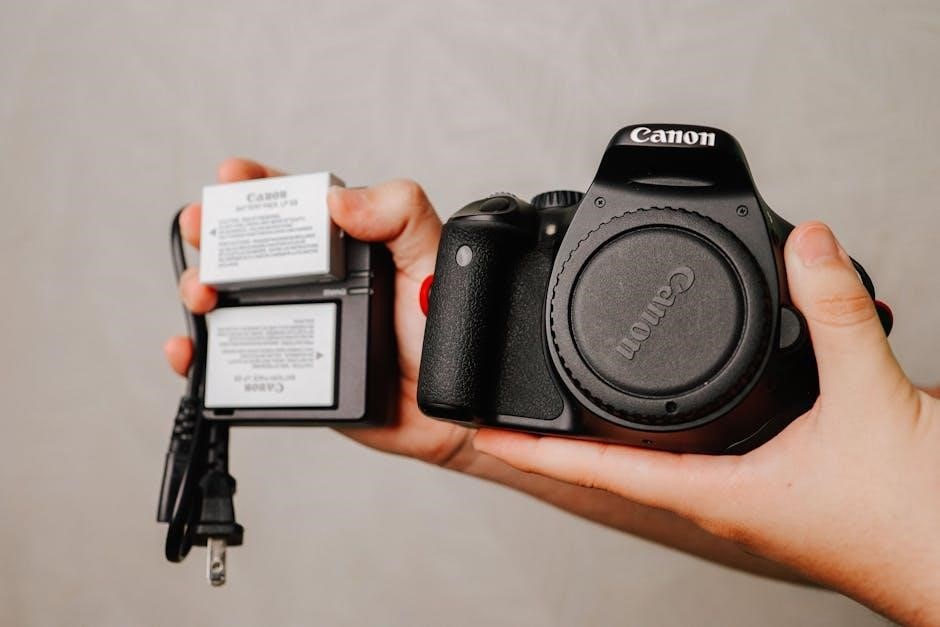
Lithium-Ion batteries, commonly found in various devices, require precise charging parameters for safety and longevity․ The Venom Pro Duo charger supports Li-Ion charging, offering customizable settings to match the battery’s specifications; Always confirm the battery’s voltage and capacity before initiating the charge cycle․
Select the Li-Ion charging profile on the charger and input the correct cell count․ A standard charge rate for Li-Ion batteries is typically between 0;5C and 1C․ Avoid exceeding the manufacturer’s recommended charge rate to prevent overheating or damage․
Balance charging is highly recommended for Li-Ion packs to ensure all cells reach the same voltage level, maximizing performance and lifespan․ Monitor the charging process closely․
Life (Lithium Iron Phosphate) Charging
Lithium Iron Phosphate (LiFe) batteries are known for their enhanced safety and extended cycle life, making them ideal for demanding applications․ The Venom Pro Duo charger provides a dedicated LiFe charging profile, optimized for these battery chemistries․ Before charging, verify the battery’s voltage and capacity settings․
Select the LiFe profile on the charger and input the appropriate cell count․ LiFe batteries generally tolerate slightly higher charge rates than other lithium variants; however, a 1C charge rate is still a safe and recommended starting point․
Balance charging is crucial for LiFe packs, ensuring cell equality and preventing imbalances that can reduce capacity․ Regularly inspect the batteries for any signs of damage before each charge cycle․
NiMH & NiCD Charging
Nickel-Metal Hydride (NiMH) and Nickel-Cadmium (NiCD) batteries are older technologies, but still commonly used in certain applications․ The Venom Pro Duo charger supports both chemistries, offering adjustable charge rates and delta-peak detection for optimal charging․
Select the appropriate NiMH or NiCD profile on the charger․ A charge rate of 0․5C to 1C is generally recommended for NiMH batteries, while NiCD batteries can often handle a slightly higher rate․ Delta-peak detection automatically terminates the charge when the battery reaches full capacity, preventing overcharging․
Regular cycling can help maintain the performance of NiMH and NiCD batteries․ Avoid deep discharges, as they can shorten the battery’s lifespan․ Always monitor the battery temperature during charging․
Lead-Acid (Pb) Battery Charging
The Venom Pro Duo charger can also charge traditional Lead-Acid batteries, commonly found in vehicles and backup power systems․ However, Lead-Acid charging requires specific settings to avoid damage and ensure optimal performance․ Select the appropriate Lead-Acid battery type – typically flooded, AGM, or Gel – on the charger․
Lead-Acid batteries require a lower charge rate compared to Lithium-based batteries; a rate of 0․1C to 0․3C is generally recommended․ Utilize the charger’s constant voltage/constant current (CV/CC) charging mode for Lead-Acid batteries․ Monitor the battery voltage closely during charging, and avoid overcharging, as it can lead to gassing and reduced lifespan․
Proper ventilation is crucial when charging Lead-Acid batteries, as they release hydrogen gas during the charging process․
Charging Modes Explained
The Venom Pro Duo charger offers several charging modes to cater to different battery chemistries and user needs․ Standard Charging provides a basic charge without balancing, suitable for batteries already known to be well-balanced․ Balance Charge Mode is crucial for Lithium batteries, ensuring each cell reaches the same voltage, maximizing performance and safety․
Storage Charge Mode is designed for long-term battery storage, charging to a safe voltage (typically around 3․8V per cell) to prevent degradation․ Discharge Mode allows you to safely reduce a battery’s capacity, useful for storage or preparing for a charge cycle․
Understanding these modes is vital for optimal battery health and performance․ Always consult your battery’s specifications before selecting a charging mode․

Charge Mode: Standard Charging
Standard Charging on the Venom Pro Duo is a straightforward method for replenishing battery power․ This mode delivers a constant current until the battery reaches its set voltage, then switches to constant voltage to complete the charge․ It’s best suited for batteries that are already known to be well-balanced, as it doesn’t incorporate cell balancing during the process․
To initiate Standard Charging, select the appropriate battery type, cell count, and charge current․ Monitor the process via the LCD screen, paying attention to voltage and capacity readings․ While convenient, remember that relying solely on Standard Charging for Lithium batteries can lead to cell imbalances over time, potentially reducing performance and lifespan․
Balance Charge Mode: Ensuring Cell Equality
Balance Charging is crucial for Lithium-based batteries (LiPo, LiHV, Li-Ion, and LiFe) to maintain optimal performance and safety․ The Venom Pro Duo’s Balance Charge mode individually monitors and adjusts the voltage of each cell within the battery pack during charging․ This prevents overcharging of any single cell, which can lead to damage, reduced capacity, or even fire․
To utilize Balance Charging, connect the balance lead from your battery to the charger’s balance port․ The charger will then cycle through each cell, bringing them to the same voltage level before and during the charging process․ This ensures all cells are equally charged, maximizing battery life and preventing imbalances that can degrade performance over time․ Always prioritize Balance Charging for Lithium batteries․
Storage Charge Mode: Long-Term Battery Health
Storage Charge Mode is designed for batteries you intend to store for extended periods․ Unlike regular charging, it discharges the battery to a storage voltage (typically around 3;8V per cell for LiPo batteries)․ This prevents the battery from self-discharging to dangerously low levels, which can cause irreversible damage and render it unusable․
Using the Venom Pro Duo’s Storage Charge function is simple: select the appropriate battery type and cell count, then choose “Storage Charge․” The charger will safely discharge the battery to the ideal storage voltage․ A lower charge current (like 1A) is recommended to minimize heat․ Storing batteries properly significantly extends their lifespan and ensures they’re ready when you need them;
Discharge Mode: Safely Reducing Battery Capacity
Discharge Mode on the Venom Pro Duo allows you to safely reduce a battery’s capacity․ This is useful for preparing batteries for storage, testing battery performance, or cycling batteries to maintain their health․ Unlike simply using the battery, the charger provides a controlled discharge process, preventing over-discharge which can severely damage LiPo batteries․
When using Discharge Mode, carefully select the battery type, cell count, and discharge current․ Lower currents generate less heat and are generally preferred․ Monitor the process closely, and never leave the charger unattended during discharge․ The Venom Pro Duo’s discharge function ensures a controlled and safe way to manage your battery’s capacity, extending its overall lifespan and usability․
Safety Features and Precautions
The Venom Pro Duo charger incorporates several safety features to protect both the user and the batteries․ Over-Temperature Protection automatically shuts down the charger if it exceeds a safe operating temperature, minimizing overheating risks․ Reverse Polarity Protection prevents damage if the battery leads are accidentally connected incorrectly․
Always read and understand the manual before operation․ Never charge damaged batteries․ Ensure adequate ventilation during charging․ Do not expose the charger to moisture or extreme temperatures․ Input Voltage Range Considerations are crucial; verify your power source matches the charger’s requirements․ Following these precautions ensures safe and reliable operation, maximizing the lifespan of your batteries and the charger itself․
Over-Temperature Protection
The Venom Pro Duo charger is equipped with an internal temperature monitoring system, a critical safety feature․ This system continuously monitors the charger’s internal temperature during operation․ If the temperature rises to a pre-determined level, indicating potential overheating, the charger will automatically shut down the charging process․
This Over-Temperature Protection prevents damage to the charger itself, the battery being charged, and minimizes the risk of fire or other hazards․ It’s a proactive measure against issues like insufficient ventilation or excessively high charging currents․ Users should still ensure adequate airflow around the charger and avoid placing it on flammable surfaces․ This feature contributes to a safer and more reliable charging experience․
Reverse Polarity Protection
The Venom Pro Duo charger incorporates robust Reverse Polarity Protection, a vital safety mechanism․ This feature safeguards the charger and the battery against damage caused by incorrect connection of the charging leads․ If the positive and negative leads are accidentally reversed during connection, the charger will detect this error and immediately cease operation․
This prevents potentially harmful current flow that could damage both the charger’s internal circuitry and the battery itself․ While the protection is in place, it’s crucial to always double-check the polarity before initiating a charge․ Relying solely on the protection isn’t recommended; careful connection is paramount․ This feature adds an extra layer of security, ensuring a safer charging process for all battery types supported by the charger․
Input Voltage Range Considerations
The Venom Pro Duo charger is designed to operate within a specific input voltage range, typically 100-240V AC for universal compatibility․ However, it’s crucial to verify the input voltage of your power source matches the charger’s requirements․ Using a voltage outside this range can lead to malfunctioning, damage to the charger, or even pose a safety hazard․
When using the AC/DC power supply, ensure the wall outlet provides a stable and consistent voltage․ Fluctuations or surges can negatively impact charging performance․ For DC input, confirm the DC voltage is within the specified limits outlined in the charger’s specifications․ Always prioritize a reliable power source to guarantee safe and efficient operation of your Venom Pro Duo charger․
Troubleshooting Common Issues
If your Venom Pro Duo charger isn’t recognizing a battery, first double-check all connections․ Ensure the balance lead is securely connected, and the polarity is correct․ Error messages on the LCD screen indicate specific problems; consult the manual for their meanings․ Balancing issues often stem from damaged cells or incorrect settings – try a different balance port or lower the charge current․
If the charger fails to start, verify the AC power connection and input voltage․ A common issue reported by users is the initial confusion with settings; carefully review the charging mode and battery type selection․ Remember to consult online resources like Reddit’s r/rccars for community solutions and guidance if the manual isn’t clear․
Charger Not Recognizing Battery
If the Venom Pro Duo fails to detect your battery, the initial step is a meticulous connection check․ Confirm the charging leads are firmly plugged into both the charger and the battery terminals, paying close attention to polarity․ Ensure the balance connector is securely attached, as this is crucial for proper cell monitoring․ A loose or damaged balance lead is a frequent cause of this issue․
Inspect the battery terminals for dirt or corrosion, which can impede conductivity․ Try a different charging port on the Pro Duo․ If the problem persists, verify the battery voltage is within the charger’s acceptable range․ Users on online forums have noted that sometimes, a brief power cycle of the charger can resolve detection errors․
Error Messages and Their Meanings
The Venom Pro Duo utilizes error messages to communicate potential issues․ While a comprehensive list is within the manual, common codes indicate problems like “CELL LOW,” signifying a cell voltage is below the safe threshold, or “OVER VOLTAGE,” indicating a cell exceeds the maximum limit․ “TEMP ERROR” signals overheating, requiring a cooling period before resuming charge․
“BALANCE ERROR” suggests an imbalance between cells, potentially indicating a faulty cell․ “REVERSE POLARITY” is critical; immediately disconnect and double-check connections․ Online users emphasize consulting the full manual for a complete decoding of all error codes․ Ignoring these messages can lead to battery damage or safety hazards, so prompt attention is vital․
Balancing Issues and Solutions
Cell imbalance during charging is a common issue, particularly with LiPo batteries․ The Venom Pro Duo’s balance charge mode addresses this by individually monitoring and adjusting each cell’s voltage․ If “BALANCE ERROR” appears, it suggests a significant discrepancy․ First, verify the balance connector is securely attached․
Persistent imbalances may indicate a failing cell, requiring replacement․ Users on forums recommend slowly discharging and then re-balancing the pack multiple times․ Avoid deep discharging severely imbalanced packs; A healthy pack should balance within a reasonable timeframe; prolonged balancing suggests a problem․ Regularly checking cell voltages before charging can help identify issues early․
Maintaining Your Venom Pro Duo Charger
To ensure the longevity of your Venom Pro Duo charger, regular maintenance is crucial․ Keep the unit clean and free from dust and debris using a soft, dry cloth․ Avoid using liquids or abrasive cleaners․ Store the charger in a cool, dry environment, away from direct sunlight and extreme temperatures․
Periodically inspect the charging leads and connectors for any signs of damage, such as frayed wires or bent pins․ If applicable, check for firmware updates on the manufacturer’s website to benefit from bug fixes and improved functionality․ Proper storage and careful handling will maximize the charger’s lifespan and reliability․
Cleaning and Storage
Maintaining a clean Venom Pro Duo charger is essential for optimal performance․ Regularly wipe down the exterior with a soft, dry cloth to remove dust and debris․ Avoid using any liquids or harsh chemical cleaners, as these can damage the internal components․ Pay particular attention to the charging ports, ensuring they are free from obstructions․
For storage, choose a cool, dry location away from direct sunlight and extreme temperatures․ Disconnect the charger from the power source and store it in its original packaging, if available․ Proper storage prevents dust accumulation and potential damage during prolonged periods of inactivity, ensuring your charger remains in excellent condition․
Firmware Updates (If Applicable)
Check the Venom Power website periodically for firmware updates for your Pro Duo charger․ These updates can improve performance, add new features, or address potential bugs․ The manufacturer may provide a software utility or instructions for updating the firmware via a USB connection․
Carefully follow the update instructions to avoid damaging the charger․ Do not interrupt the update process, as this could render the device unusable․ Firmware updates are crucial for keeping your charger functioning optimally and benefiting from the latest advancements․ Always download updates from the official Venom Power source to ensure authenticity and security․
Warranty Information
Venom Power offers a warranty on the Pro Duo charger against defects in materials and workmanship․ The warranty period typically begins from the date of purchase, and proof of purchase is required for any claims․ The warranty covers repair or replacement of the charger at Venom’s discretion․
Damage caused by misuse, accidents, or unauthorized modifications is not covered․ Carefully review the warranty terms and conditions available on the Venom Power website or included with your product․ Contact Venom Power customer support to initiate a warranty claim and receive instructions for returning the charger for evaluation and potential repair or replacement․